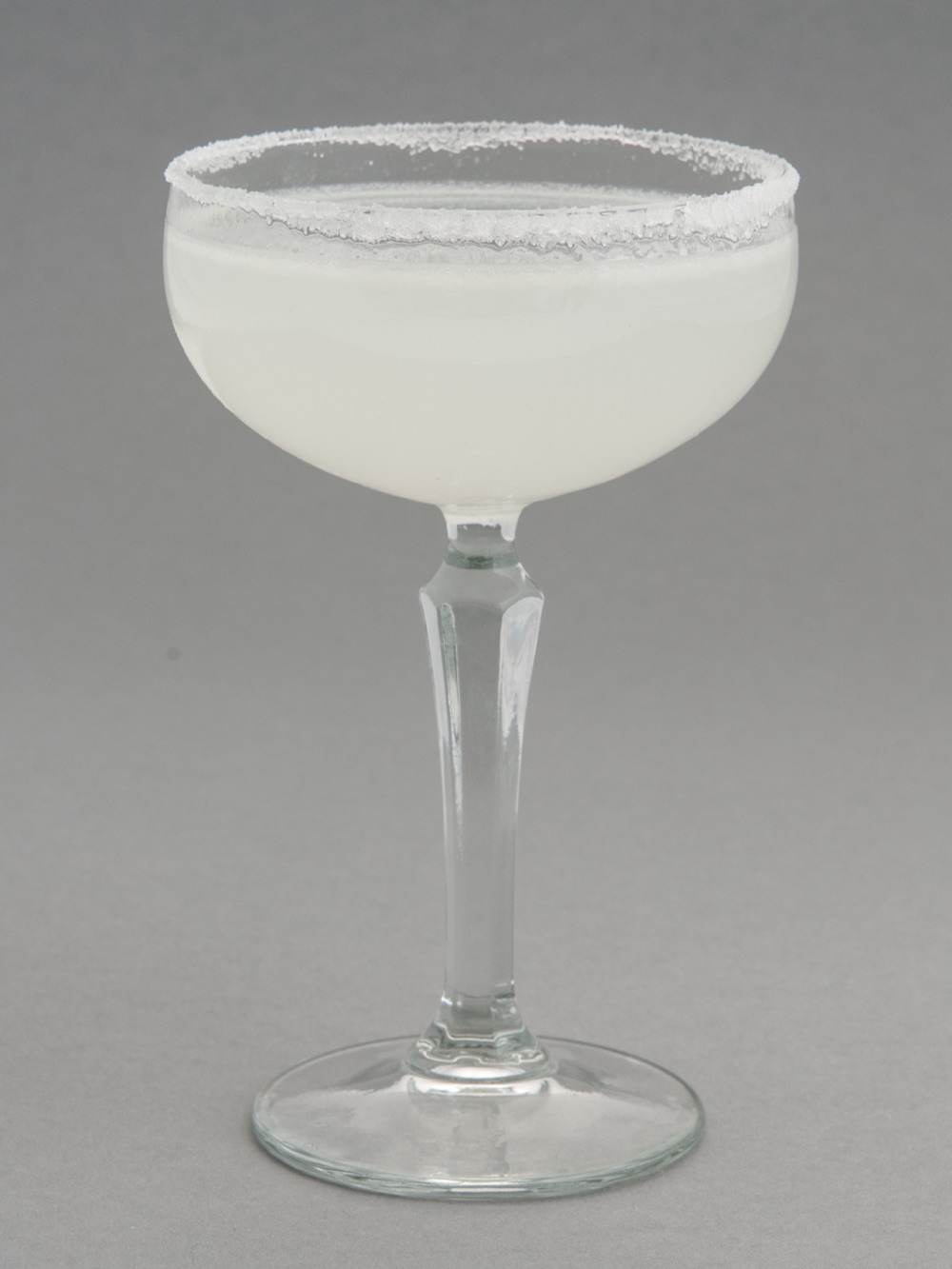
La Jolla 92037
The jewel on the coast: sandstone coves, sea lions, and the city's most polished terraces. Come for the golden-hour margarita with the Pacific in full frame.
A curated guide · salt, lime, agave
A sun-warmed shortlist of the rooms where San Diego pours its finest margaritas — fresh lime, 100% blue-agave tequila, a clean salt rim — on the border, an hour from where the drink was born.
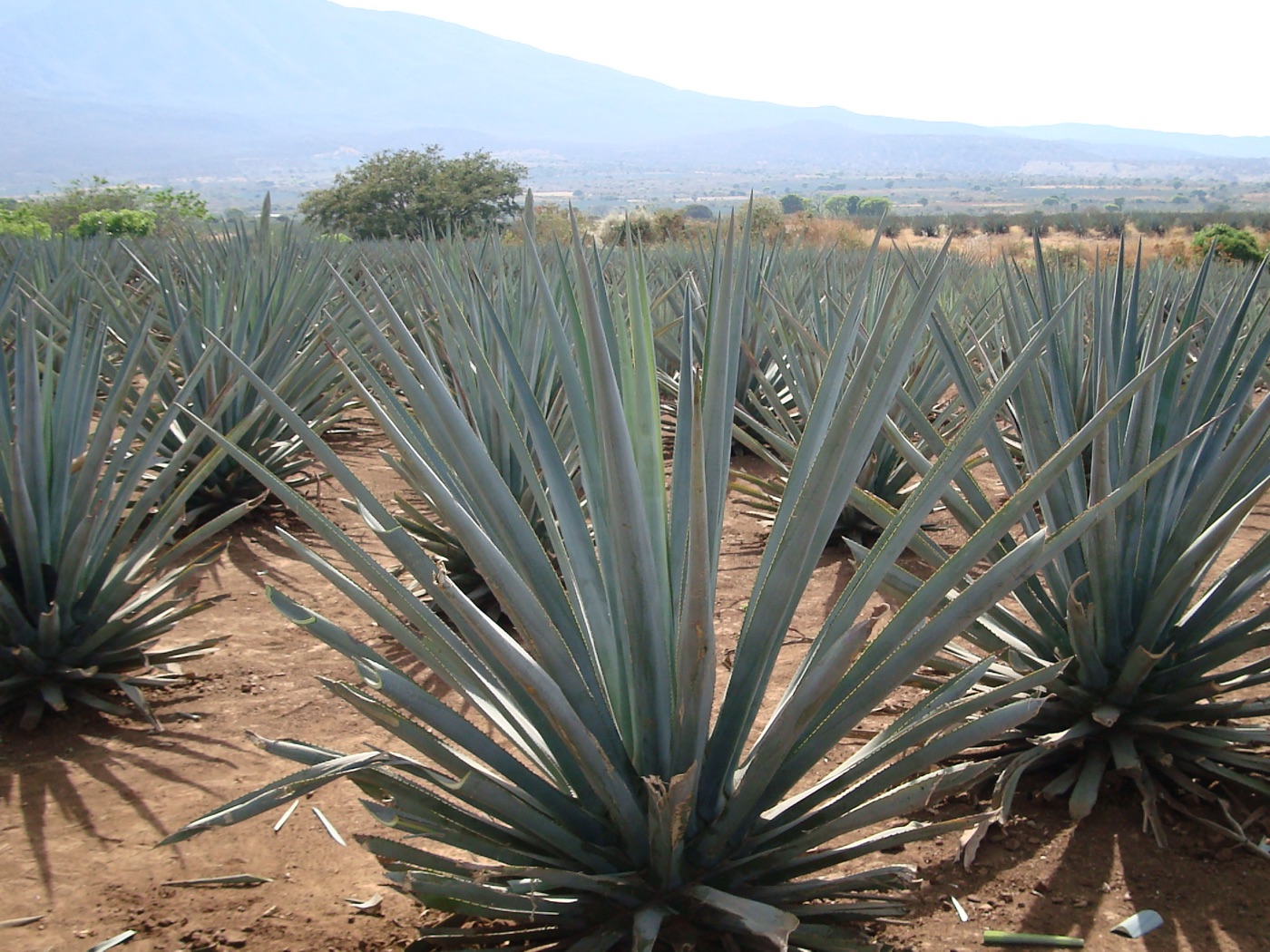
San Diego, a border town that drinks well
Nobody fully agrees on who first poured tequila over lime and salt, but nearly every origin story lands in Baja California — a society hostess at Rancho La Gloria below Tijuana, a barman at Hussong's Cantina in Ensenada, a Tijuana racetrack bar pouring "tequila daisies" for thirsty Americans during Prohibition. San Diego sat at the top of that road, and it never stopped driving south for a drink. The margarita is, in the most literal sense, a cross-border cocktail — and this is the American city that knows it best.
What's changed is the seriousness. The frozen, neon, sweet-and-sour margarita still has its place, but San Diego now pours 100% blue-agave tequila, fresh-squeezed lime, real orange liqueur and a hand-applied salt rim — and keeps mezcal, raicilla and sotol on the back bar for the curious. The list that follows is short on purpose. Every room is inside the city, open, and verified. None is here by accident.
A geography of thirst
San Diego is a driving town — the agave is spread from the coast to the canyons. Five pockets carry most of it. Each has its own light.
The jewel on the coast: sandstone coves, sea lions, and the city's most polished terraces. Come for the golden-hour margarita with the Pacific in full frame.
Where California began. Adobe courtyards, mariachi, and — behind the tourist gloss — the most serious tequila and mezcal cellars in the county.
Downtown's brick-and-steel core: ballpark crowds, design-led rooms, and a new generation of bartenders building margaritas from scratch.
The Adams Avenue corridor: unpretentious, agave-geek country. This is where the back bar runs to hundreds of bottles and nobody's showing off.
Point Loma, Shelter & Harbor Islands: water on three sides, the skyline across the bay, and the big-view margarita at sunset.
Go deeper than the salt rim
A margarita is only as good as the spirit under it. Tequila is made from one plant — the blue Weber agave — in one protected region of Mexico. Here's the ladder, from clear to amber.
Unaged · clear
0–2 months
Bottled straight off the still, or rested only weeks. Bright, peppery, vegetal — pure agave. The right choice for a classic margarita, where you want the plant to sing through the lime.
Rested · straw gold
2–12 months in oak
"Rested" in barrel until the edges round off and a whisper of vanilla and caramel arrives. Many of the city's best margaritas — Puesto's among them — are built on a reposado.
Aged · amber
1–3 years in oak
A full year-plus in small oak. Darker, rounder, sipping-grade — think aged-spirit territory. Use it in a margarita only if you want a richer, more brooding glass; otherwise sip it neat.
Long-aged · deep amber
3+ years in oak
A category only since 2006: three years or more in barrel. Cognac-like, contemplative, never wasted in a cocktail. This is the back-bar bottle the bartender points at with reverence.
If the bottle says 100% de agave, every sugar came from the plant. If it just says "tequila," it's a mixto — up to 49% other sugars, the stuff of rough mornings. The good rooms pour 100% agave, always. Ask; they'll be glad you did.
True tequila is a denomination of origin: blue Weber agave, grown and distilled in Jalisco and a few neighboring municipalities, regulated by the CRT. Mezcal is its smoky cousin — any agave, mostly Oaxaca. Same plant family, different soul.
The salt trail
From the coast to the canyons, the city's best agave is a short drive apart. Pick a neighborhood, make a day of it — and let someone else take the wheel.
Three readings of one glass
There is no single correct margarita — only honest ones. Fresh lime, real agave, no sour mix. Here is the San Diego house style, the purist's build, and the smoky one for the curious.
The build you'll find, give or take, at Puesto and across this list
The California reading leans on agave nectar instead of triple sec — rounder, less sweet, and it lets a good reposado show its oak. A half-salted rim is a kindness: it lets the drinker choose salt or no salt, sip by sip. Use a fat, juicy Persian lime and squeeze it to order. This is the glass that makes the case for the whole city.
The purist's margarita · San Francisco, 1990s
Julio Bermejo's stripped-down classic drops the triple sec entirely and lets blanco tequila and agave do the talking. If you want to taste the plant, order it this way. Any bartender on this list will know it by name.
For the curious · ask at Tahona or Cantina Mayahuel
Swap tequila for mezcal and the whole drink gains smoke and earth. San Diego's agave bars love to round it out with hibiscus (jamaica) or a chili-salt rim. Start with a half-mezcal split if the campfire is new to you.
From a Baja ranch to your rim
The best-loved origin: at Rancho La Gloria, on the road between Tijuana and Rosarito, hostess Carlos "Danny" Herrera is said to have mixed tequila, lime and orange liqueur for a showgirl named Marjorie — "Margarita" in Spanish — who could only take her spirits with salt and citrus.
Down the coast in Ensenada, Hussong's Cantina claims its own: bartender Don Carlos Orozco pours a tequila, lime and Controy daisy for Margarita Henkel, a German ambassador's daughter. Margarita is simply Spanish for "daisy" — the tequila daisy the Americans had been drinking for years.
Whoever was first, the road ran through San Diego. A century on, the city pours the drink with new seriousness — single-village mezcal, 100% agave, fresh citrus from California groves — while the frozen birdbath still spins, happily, a few doors down. Both are welcome. Only one is on this list.